

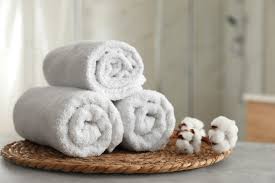
When it comes to everyday comfort, few things rival the cozy embrace of a soft towel. Whether you’re wrapping yourself up after a refreshing shower or laying out by the pool, the texture of your towel can significantly enhance your experience. But what exactly gives a towel its soft texture, and how can you maintain it for long-lasting luxury?
The Science of Softness
A towel’s softness largely depends on the type of fibers used and how they’re woven. Cotton is the gold standard when it comes to towel materials, especially high-quality varieties like Egyptian cotton, Turkish cotton, and Pima cotton. These fibers are known for their long staples, or fiber lengths, which result in smoother, stronger threads. Longer fibers can be spun into finer yarns without compromising strength, contributing to a softer and more absorbent towel.
Weaving for Comfort
The texture of a towel is also influenced by how it’s woven. Terry cloth is the most common weave used for bath towels because it features uncut loops on both sides, which increase the surface area for maximum absorbency. These loops also trap air, adding to the towel’s plush feel. Higher loop density usually means a thicker, more luxurious towel, but it also requires more care to keep it fluffy over time.
The Role of GSM
GSM, or grams per square meter, measures the density of the fabric. Towels with a higher GSM (typically 600–900) are thicker, softer, and more absorbent. Lightweight towels (300–500 GSM) are quick-drying and ideal for travel or gym use, but they may not offer the same plush feel as heavier options.
Caring for Softness
To keep your towels soft and inviting, proper care is essential:
- Avoid fabric softeners: While it may seem counterintuitive, fabric softeners can build up on fibers and reduce absorbency. Use white vinegar as a natural alternative.
- Wash in warm water: This helps remove oils and residues while preserving the fibers.
- Dry properly: Tumble drying on low heat with dryer balls can help fluff the fibers without causing damage.
- Don’t overload the washer: Giving your towels space to move allows for a more thorough clean and less wear on the fabric.
Sustainable Softness
Today, many brands are turning to eco-friendly practices to produce towels that are not only soft but also sustainable. Organic cotton, bamboo fibers, and low-impact dyes are increasingly common in towel manufacturing, offering comfort without compromising the environment.
Final Thoughts
The soft texture of a towel is more than a luxury—it’s a result of thoughtful material choices, quality craftsmanship, and mindful care. Whether you prefer the thick indulgence of a high-GSM Turkish cotton towel or the quick-drying convenience of a lighter weave, understanding what contributes to a towel’s softness can help you choose the perfect companion for your bath or beach day.
So next time you wrap yourself in a towel, take a moment to appreciate the comfort science behind its softness. It’s not just a piece of fabric—it’s your everyday indulgence.